LBL SKILLS
Health & Safety Training Courses
Why Learn Health & Safety Training?
At LBL Skills, we believe that a safe workplace is a productive workplace. Our comprehensive Health & Safety training courses are designed to equip individuals and organisations with the essential knowledge and practical skills to identify, assess, and control risks effectively.
From understanding legal responsibilities and conducting thorough risk assessments to specialised training in fire safety, asbestos awareness, and COSHH, our expert-led instruction ensures your teams can proactively manage hazards.
You'll gain the confidence to foster a culture of safety, prevent accidents, and ensure compliance, creating a healthier and more secure environment for everyone.

need our help?
Please get in touch if you have any questions or need our advice.
01933 678110
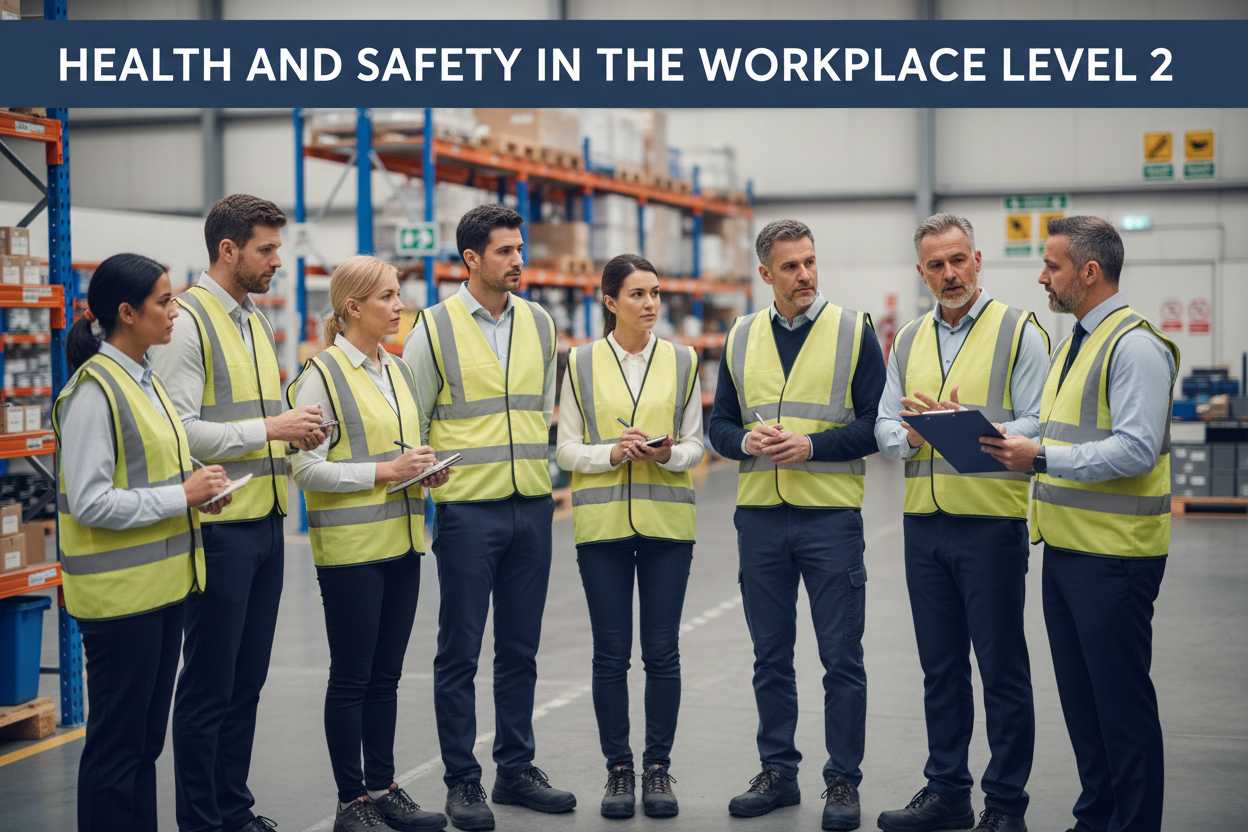
Health and Safety in the Workplace Level 2
Course aims
Health and safety training is recommended for staff at all levels of an organisation.
This stimulating and thought‑provoking programme explains how health and safety should be managed in any working environment and outlines the basic principles of health and safety law.
Delegates gain a clear understanding of everyone’s responsibilities and how they contribute to a safer workplace..
Learning outcomes
- An understanding of health and safety law, liability, enforcement and statutory duties.
- An explanation of the core principles of effective health and safety management.
- A practical understanding of risk assessment and what constitutes a “suitable and sufficient” assessment.
- An introduction to key elements of the Management of Health and Safety at Work Regulations 1999.
- An understanding of the Workplace (Health, Safety and Welfare) Regulations 1992 and their application in practice.
Risk Assessments
Course aims
This qualification is aimed at those who support or carry out workplace risk assessments.
It is designed for staff who need to identify hazards, evaluate risks and recommend appropriate control measures.
The course demonstrates how robust risk assessments underpin a safer work environment and provide assurance to employers.
Learning outcomes
- Recognise how effective risk assessment contributes to a safer workplace.
- Examine and apply the key principles of a workplace risk assessment.
- Outline how workplace health and safety legislation is enforced.
- Understand the potential penalties and consequences of non‑compliance.
- Outline the requirements for recording, monitoring, reviewing and revising workplace risk assessments.

Fire Safety for Fire Marshals Level 2
Course aims
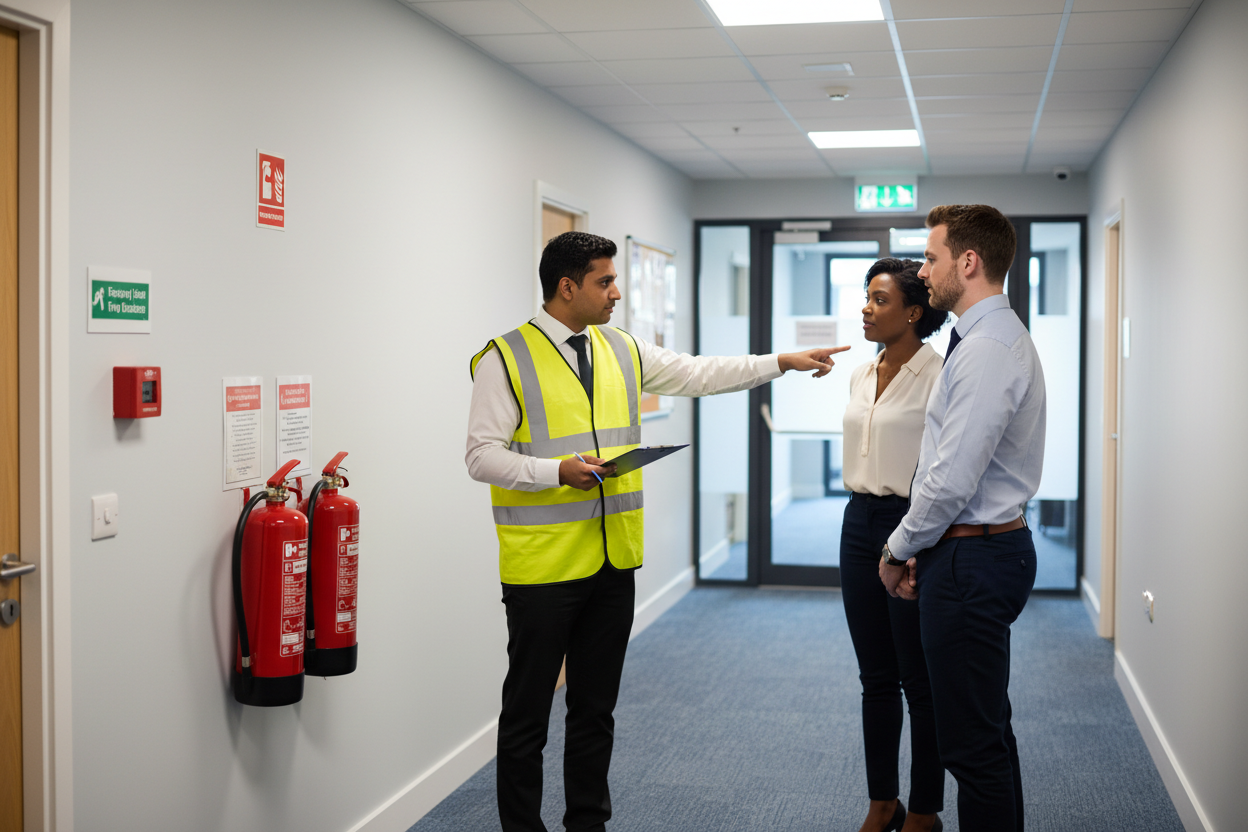
This qualification is intended for those undertaking the role of Fire Marshal in the workplace.
It equips delegates with the knowledge and confidence to support day‑to‑day fire safety arrangements, recognise risks and take appropriate action in an emergency, including leading or supporting evacuation procedures.
Learning outcomes
- Fully understand the role and responsibilities of Fire Marshals.
- Recognise common fire risks and how to reduce the likelihood of fire.
- Understand safe evacuation procedures and how to support them in practice.
- Be able to develop and contribute to Personal Emergency Evacuation Plans (PEEPs).
- Significantly increase their fire awareness and confidence at work.
Asbestos Awareness
Course aims
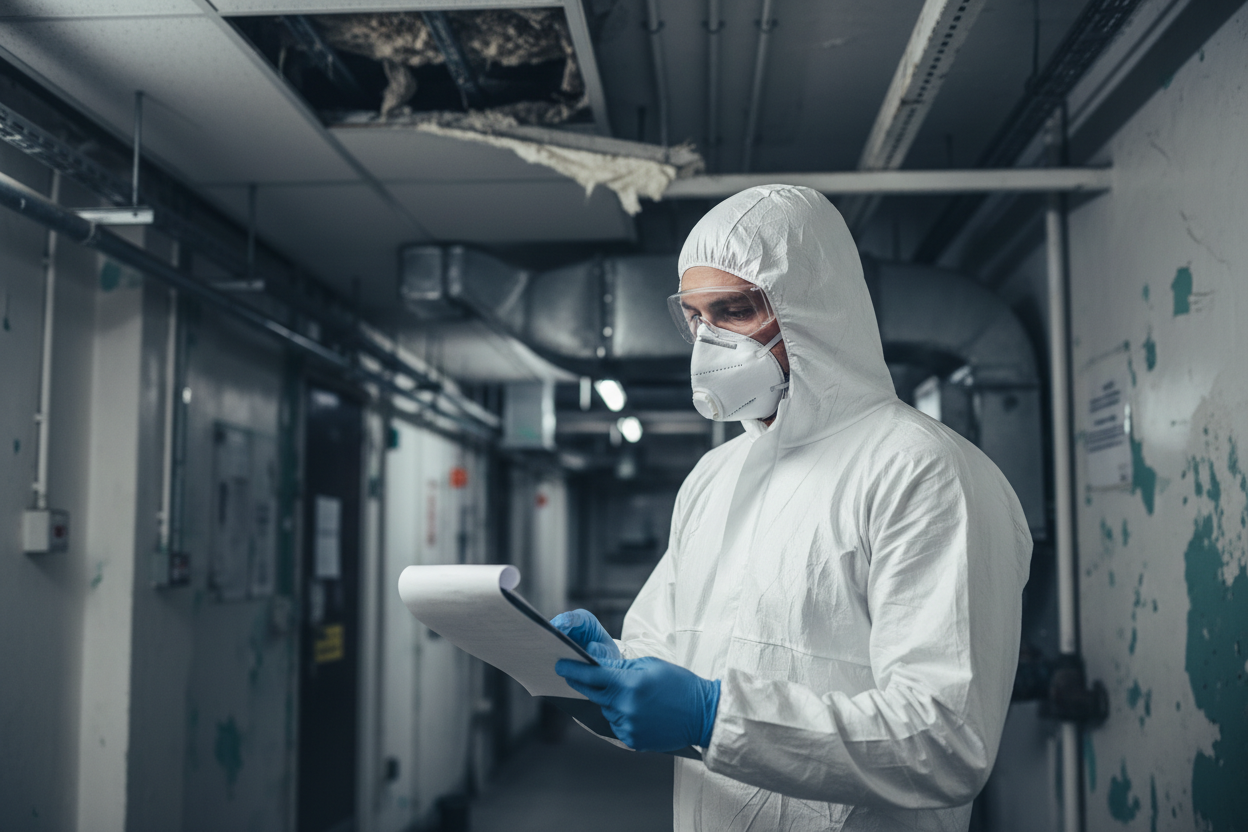
This course is designed for anyone who may encounter asbestos in their work.
Delegates learn about the risks associated with asbestos, where it may be found and how to minimise exposure.
The course also introduces the survey process and the essential safe work practices required to protect themselves and others.
Learning outcomes
- Understand the properties of asbestos and its effects on health.
- Be able to identify products and materials that are likely to contain asbestos.
- Understand the preventative controls that can be used to minimise exposure.
- Be aware of employers’ responsibilities and workers’ duties in relation to asbestos.
COSHH (Control of Substances Hazardous to Health)
Course aims
This short, focused course is for all employees who work with or around hazardous substances. It explains employer and employee duties under COSHH and helps delegates recognise hazards, assess risks and apply simple control measures. Training is delivered through a range of interactive methods to reinforce learning.
Learning outcomes
By the end of the course, delegates will:
- Understand the purpose and scope of COSHH.
- Recognise common hazardous substances and the risks they present.
- Understand how risk assessment supports safe working with substances.
- Be aware of how health and safety legislation relating to hazardous substances is enforced.
- Know the requirements for recording, monitoring, reviewing and revising COSHH assessments.

Accident Investigation – RIDDOR
Course aims
This training session is aimed at all employees and explains what should happen when an accident or near miss occurs. It helps staff understand their responsibilities and those of their employer in relation to reporting, investigating and learning from incidents, with specific reference to RIDDOR requirements.
Learning outcomes
By the end of the course, delegates will:
- Understand employees’ duties and employers’ responsibilities in the event of an accident.
- Understand what the RIDDOR regulations mean and when a report is required.
- Learn how accidents and incidents are measured and recorded within industry.
- Examine accident causation and contributing factors to identify root causes.
- Appreciate how effective investigation helps prevent recurrence.

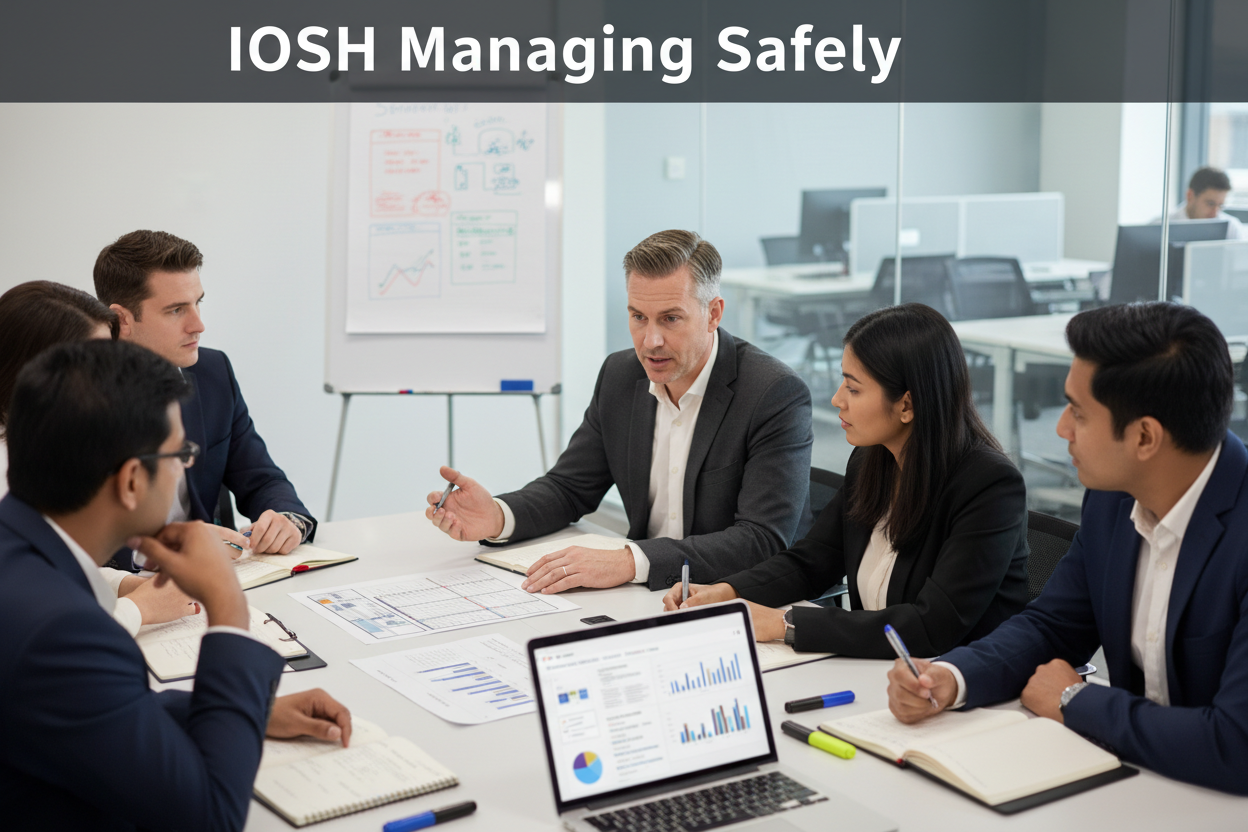
IOSH Managing Safely
Course aims
This accredited four‑day course gives managers and supervisors the knowledge and tools they need to manage health and safety effectively within their teams.
It focuses on responsibilities, risk assessment, hazard control and incident investigation, helping leaders integrate safety into everyday decision‑making.
Learning outcomes
By the end of the course, delegates will:
- Understand the responsibilities of both employers and employees.
- Gain the knowledge to assess risks within their work area.
- Learn how to control risks through a range of practical control measures.
- Be able to identify common workplace hazards and decide what can be done about them.
- Understand how incident investigation and performance measurement support continual improvement.
Let’s make a call back request now.
Website Developed by Peak Media Marketing Web Development Services
© Copyright 2026. All Rights Reserved