LBL SKILLS
Health & Social Care
Compliance Training Courses
Why Compliance Training Courses?
In the dynamic and vital fields of health and social care, ensuring the highest standards of safety, dignity, and well-being for individuals is paramount. LBL Skills offers a comprehensive suite of compliance training courses meticulously designed to empower professionals with the essential knowledge and practical skills required to navigate the complexities of this sector. From safe moving and handling techniques to critical infection control, safeguarding vulnerable individuals, and understanding mental capacity legislation, our programs are tailored to meet regulatory requirements and foster a culture of excellence in care delivery.

need our help?
Please get in touch if you have any questions or need our advice.
01933 678110
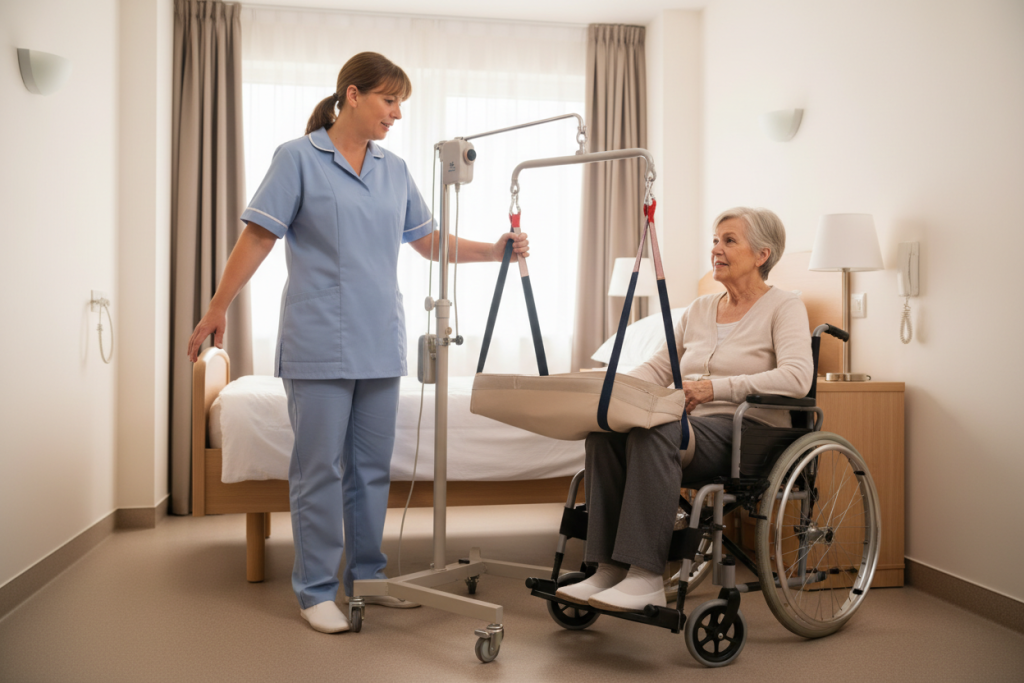
Safe Moving & Handling of People Level 2
Course aims
This qualification is for those responsible for the moving and handling of individuals within the health and social care sector. It is designed to provide students with the essential knowledge and understanding of the safe process of moving people to prevent injury to themselves and the person being moved, whilst also covering the legal requirements regarding the handling of people. This qualification is available to those over 18 years. Candidates should be at least at level 2 numeracy and literacy or equivalent. Candidates should also be physically capable of demonstrating a range of moving and handling techniques.
Learning outcomes
- Health and Safety at Work 1974
- Moving and handling assessments
- Basic principles of safer handling
- Company handling policy
- Unsafe moves and duty of care
- Working with equipment
- Moving and transferring & anatomy
- Manual Handling Regulations 1999
Food Safety Level 2 & 3
Course aims
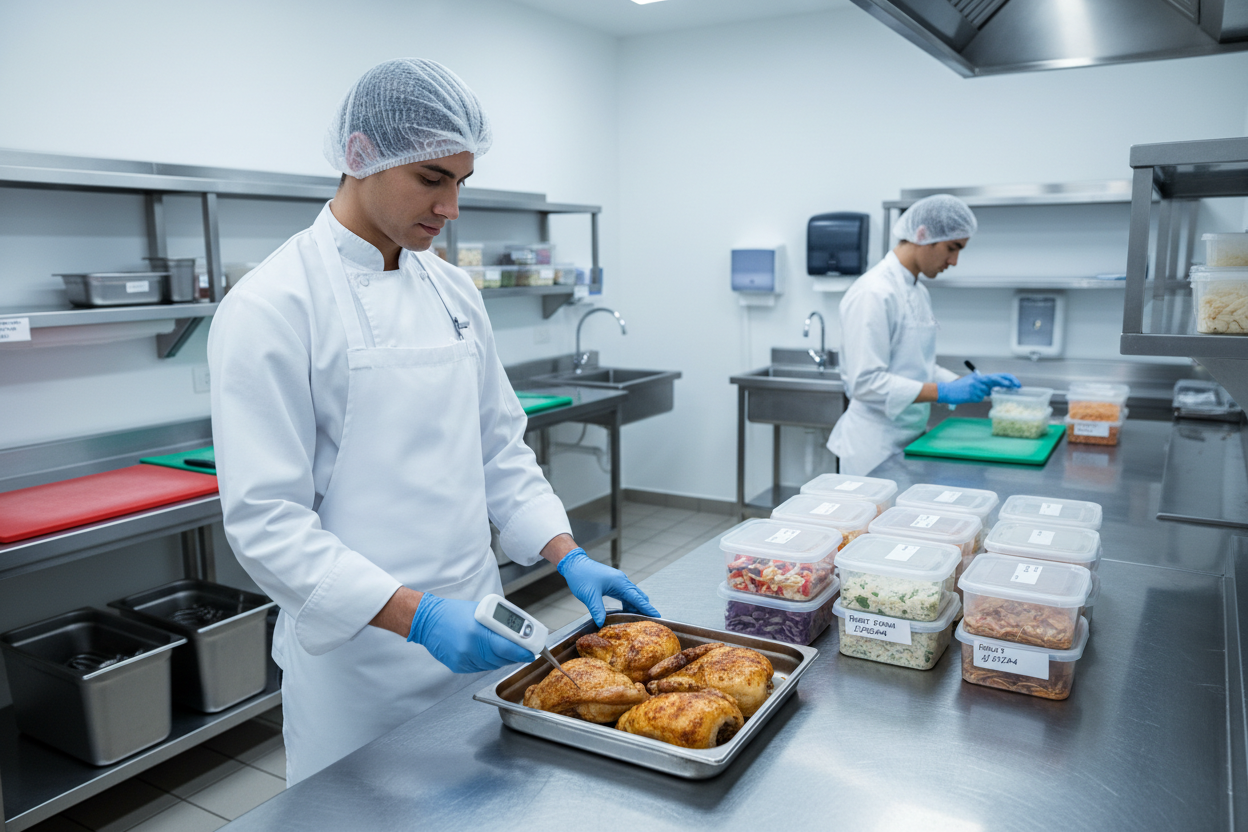
The level 2 Qualification in Food Safety is a popular qualification. It is aimed at anyone involved in the preparation of food and is tailored to those working in a catering environment.
Learning outcomes
• Understand how individuals can take personal responsibility for food safety
• Understand the importance of maintaining personal health and hygiene
• Know how the working areas are kept clean and hygienic
• Know how to keep food safe
Infection Control Level 2
Course aims
Attendees will understand the principles and practices of infection prevention and control. Delegates gain an understanding of the importance of why we need to have infection control measures implemented in the workplace
Learning outcomes
The meaning and importance of infection control
• Practising infection control and breaking the chain
• Universal precautions, infection and its causes
• How infection spreads and how to fight it

Safeguarding of Vulnerable Adults and Young People Level 2
Course aims
This course aims to raise delegates' awareness of the legal framework and their responsibilities in safeguarding adults, children, and young people and to help them prevent and learn from past events.
Learning outcomes
Establishing who are vulnerable adults
• The legal framework and reporting procedures
• Types and indicators of abuse
• Disclosure process, consent and confidentiality

Safe Administration of Medicine level 2
Course aims
Medication administration is an essential area of user care. This equips staff to safely deliver medication and upholding client dignity, encouraging independence and respecting choices the service user make
Learning outcomes
The 7 rights of medication administration
• Classification & types of medication
• Maintaining records – MARs
• Storing & disposing of medication

Mental Capacity Act & DoLS
Course aims
This one day course provides an awareness of the key aspects of the Mental Capacity Act and the principles of the Deprivation of Liberties Safeguard. It also includes a clear and concise definition of mental capacity and the key principles of the relevant legislation
Learning outcomes
What is ‘Mental Capacity’
• Key principles of the MCA (2005)
• Assessment processes: MCA & DoLS
• Best Interests & ‘Least Restrictive’ options
• Key laws & applications for DoLS and review of cases

Mental Health First Aid (Levels 1, 2 & 3)
Course aims
Develops the skills and knowledge to assess an incident, provide first aid to unresponsive casualties who are not breathing and breathing normally and recognise and manage a casualty with a severe allergic reaction.
Learning outcomes
• Background and historical context of Mental Illness
• Classification of Mental Illnesses (DSM – V)
• Overview of the Mental Health Act (1983)
• Identification of common mental disorders
• Management of four common disorders

Let’s make a call back request now.
Website Developed by Peak Media Marketing Web Development Services
© Copyright 2026. All Rights Reserved